Fiction by Kari Gunter-Seymour
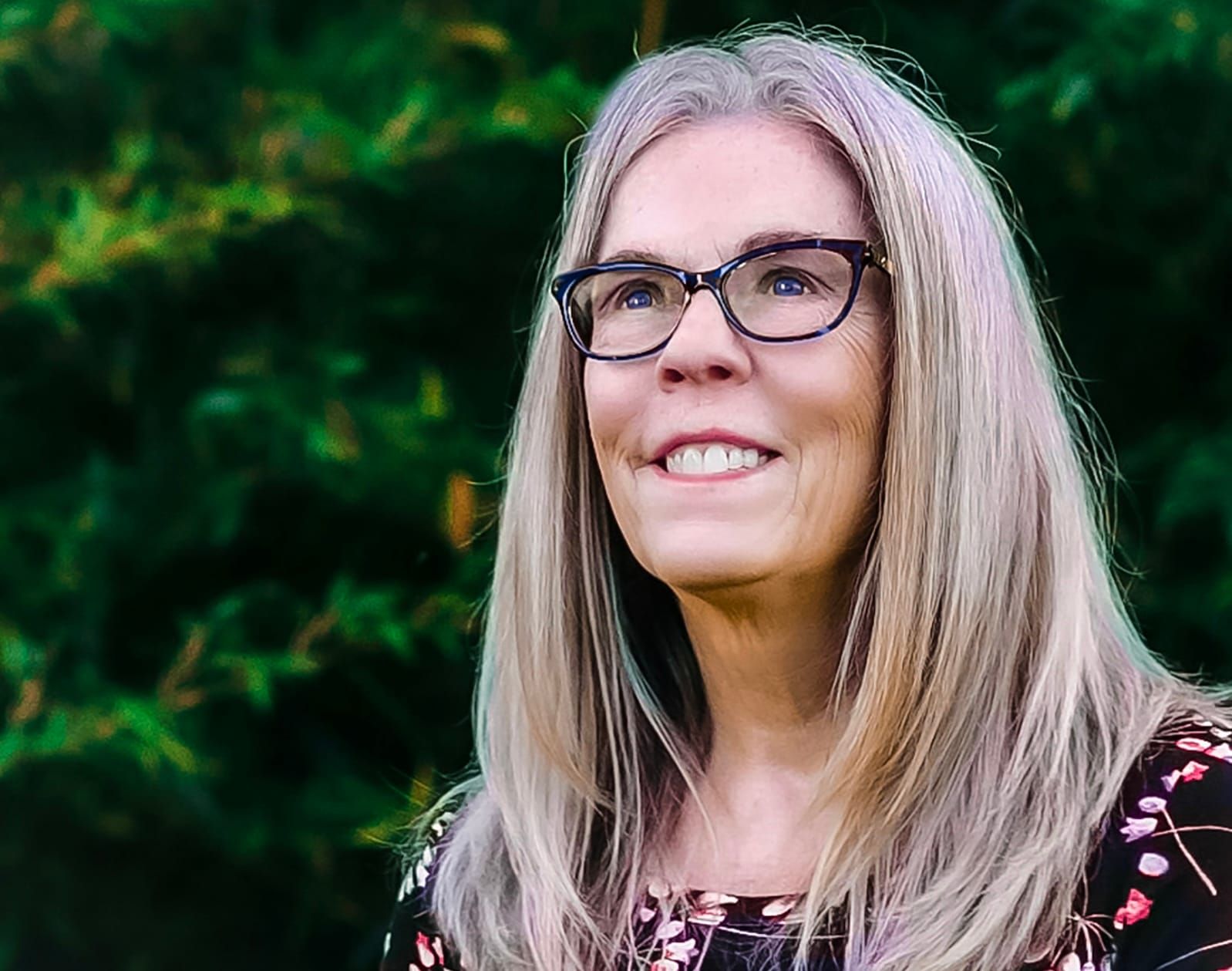
Kari Gunter-Seymour is the author of three award winning poetry collections, including Dirt Songs, winner of the IPPY Bronze, NYC Big Book , and Feathered Quill Awards. She is the Executive Director of the Women of Appalachia Project and editor of its anthology series, Women Speak, a finalist for the Next Generation Indie Book Award. Her work has been featured in a variety of journals and publications including American Book Review, Poem-a-Day, World Literature Today, The LA Times, and Katie Curic’s Wake Up Call.
Whitewashed
I was raised in a by-gone-days frame house, in a wayside township, by a WWII veteran daddy and a mother whose temperament swung and slammed like a porch screen door. I ran feral with a congregation of rowdy neighborhood sprats, barefoot, sweaty, barely avoiding trouble. We pinky-sweared to uphold our brotherhood forever, but by fourth grade us girls were made only too aware we was different in our bodies and somehow “less than” for being so.
Worst of all, we was made to wear dresses to school. I wore shorts beneath mine, so I was free to hang from the monkey bars or jump from a window in case of emergency.
Others of my kind paraded about clamping barrettes in their curls. I refused. Out of embarrassment of my wooly tangles, mother gave me a “pixie cut,” which was a hoot, because then my hair was well-nigh the same length as them dirty dog boys, who strutted free range like they was big shots, which they surely wasn’t.
I made voodoo dolls of every one of them turncoats out of mud and day-old biscuits, straight pins filched from mama’s sewing basket pushed into every armpit and nose hole. With the exception of Howard Jackson.
Howard was late back to school that fall. His daddy had passed away and even an eleven-year-old was key to getting crops brought in. I was gap-mouthed when he told me in secret it was him what drove the tractor, pulling the buckboard behind. His mama, brothers, and sisters walked close alongside settling plump ears of corn, watermelons, pumpkins and all other imaginable edibles from their fields into that plank bottomed dray, day after day, row upon row, until every lick of green was yanked from their soil. He reckoned by experience that women was pert-near hearty as menfolk.
We was best friends until the day he followed me home after school to meet my Rhinelander rabbit, Pearly Mae. We trotted most of the way, a couple of yowling coon dogs on a scent. Mama met us at the gate, hands on her hips, mouth all teeth. The look on her face sent a current straight up our backbones.
She refused to let Howard in our yard. Terrified mama was taking one of her spells, I hollered for Howard to run, which he did, fast and true, as if caught up in a life-or-death situation and with mama you never knowed.
I cried and spit, swatted at mama who called me a pee-baby and a Hollywood square. When my daddy come home from work, he walked me down to Gillian’s gas station, bought me an icy RC Cola all my own, no sharing.
We sat on the steps while I sipped and he spat out an eyeball-stretching story about this world’s ways, his words setting fire to the hairs along the back of my neck. Turns out, Howard was from a WIN settlement over in Tradwell. His people was White, Indian and Negro mixed. He had skin the color of sorghum molasses—not that far from the color I turned every summer as I ran renegade in the sun. I figured right then, and daddy agreed, I best plan to walk this life ready to speak up about matters I gauged to be unrightly, and I reckoned I’d have to start with mama.
Daddy poked me in the ribs, then took off singing “Jesus Loves the Little Children” and coaxed me join in so I would stop prattling and finish my co-cola so we could return the glass bottle and hurry home to supper. Mama always got testy when we was late to supper.